
Supporting you at every step
Whether you’re just exploring your options or already considering treatment, these resources are here to help you feel informed and confident.
Administering your injection

Prepare
Wash your hands. Check the medication name, dose, and expiry date.
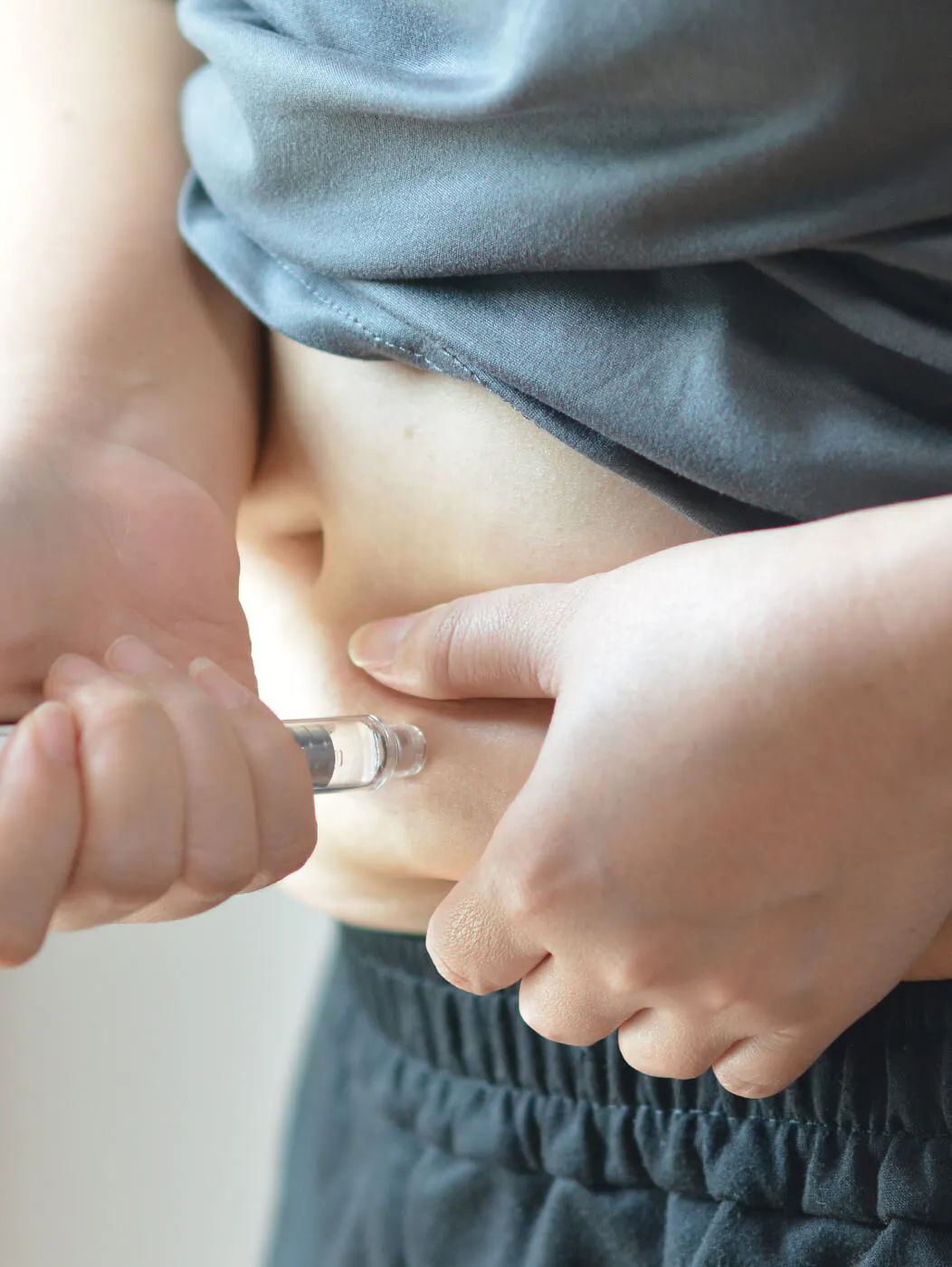
Choose a site
Inject into your abdomen or thigh. Rotate injection sites each week.
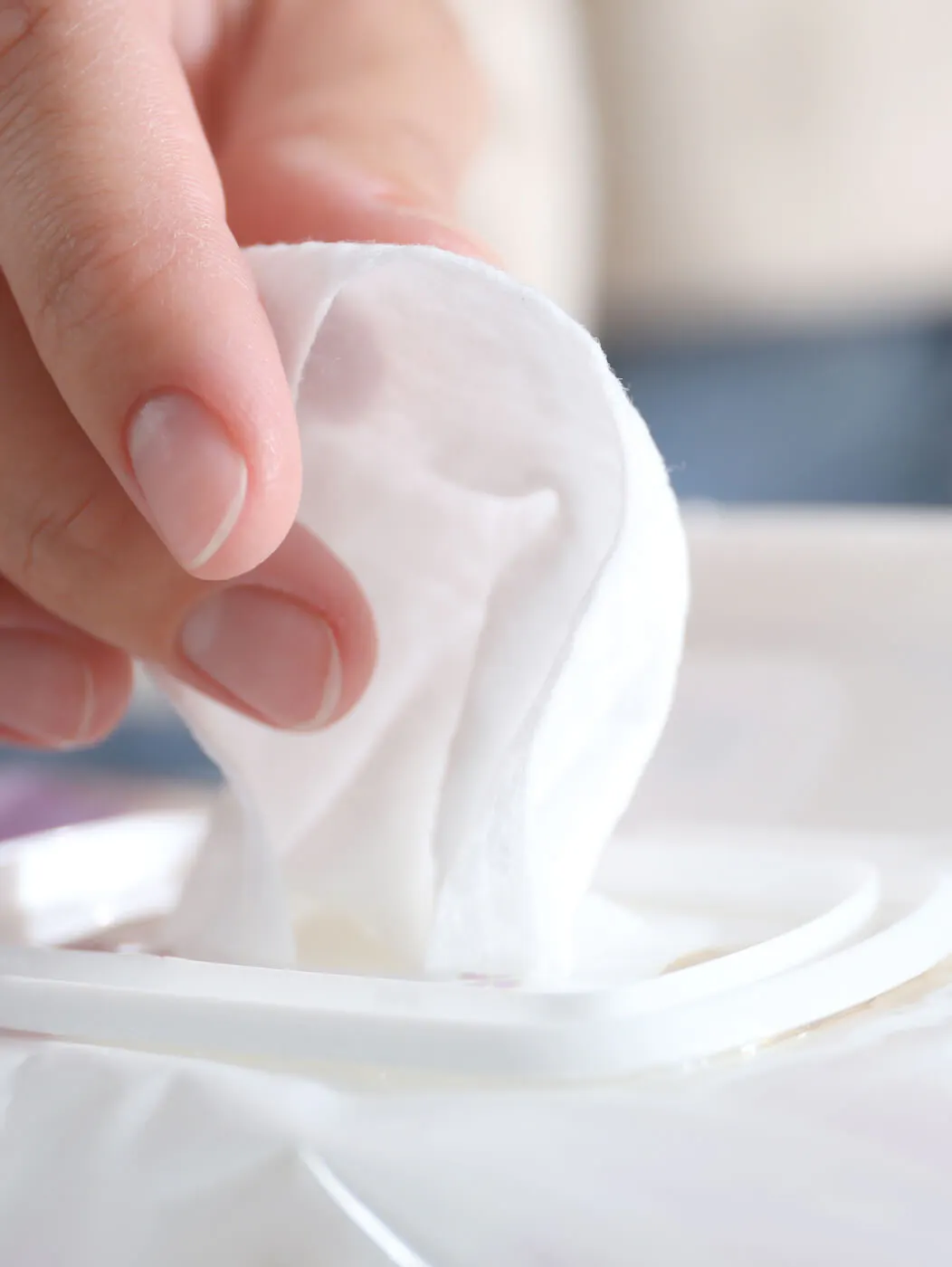
Clean
Clean the skin with an alcohol wipe. Let it dry before injecting.
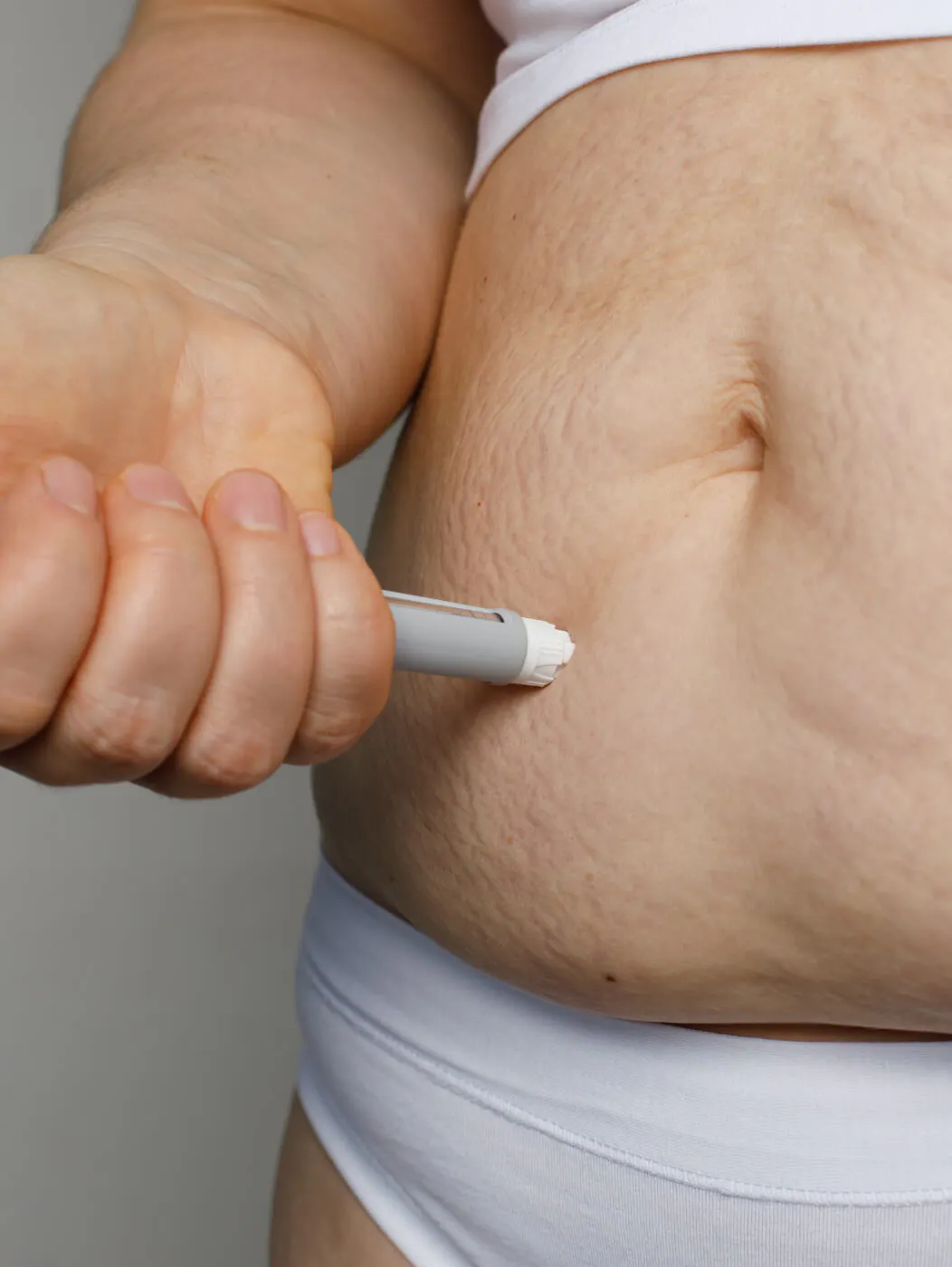
Inject
Insert the needle as instructed. Press the button and hold for the recommended time.
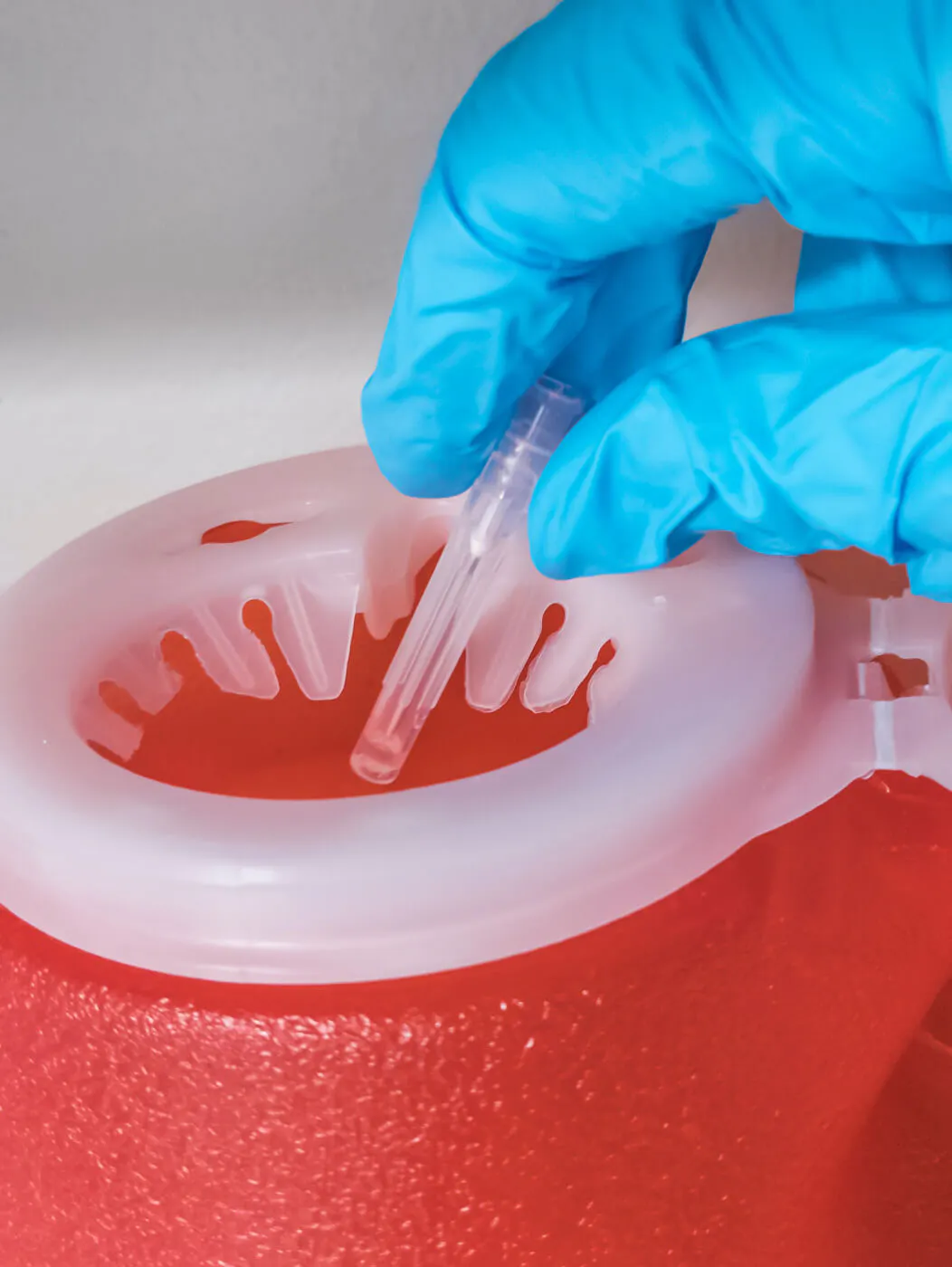
Dispose
Remove the needle and place it straight into a sharps container.
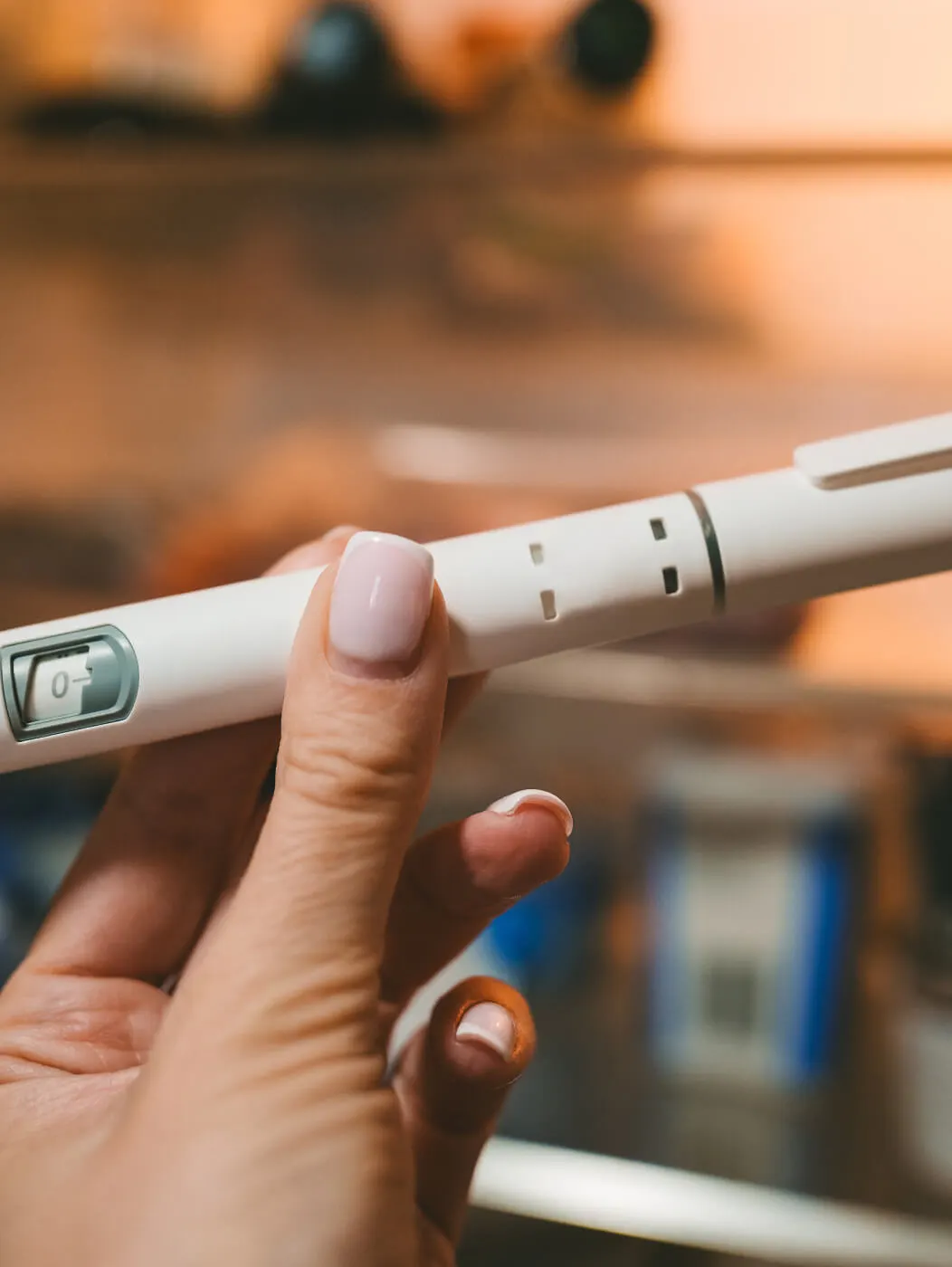
Store
Replace the pen cap and store the medication as advised.

Reassurance
Need help? You can message a GP at any time if you’re unsure.
Managing side effects

Common side effects
Some people experience mild symptoms, especially when starting treatment.

Digestive symptoms
Nausea, vomiting, diarrhoea, or constipation can occur. These usually improve over time.

Reduced appetite
Feeling less hungry is common and expected.

When side effects are most likely
Symptoms are more common in the first few weeks and/or after a dose increase. They often settle as your body adjusts.

How we reduce side effects
Start at a low dose. Increase gradually. Ongoing GP reviews.

When to message a GP
If side effects persist, worsen or affect daily life. You can message a GP for advice at any time.

When to seek urgent help
If you feel seriously unwell or concerned, seek urgent medical advice.

Reassurance
You’re supported— our doctors monitor treatment and adjust it if needed.
Downloadable guides
Practical guides written by our doctors, designed to help you get the most from your treatment. Download, save, and refer back whenever you need them.

Your first four weeks of treatment

A patient’s guide to managing side effects

Preparing for your GP reviews
Medication is the start, but not the whole story
Long-term weight management involves sustainable habits, realistic expectations, and planning for what comes during and after treatment. Our resources are here to support you every step of the way.
Our focus is on long-term health, not short-term results. We believe the most meaningful progress happens when treatment and lifestyle work together — and we're here to support both.
Weight loss injections are prescription-only medicines and may not be suitable for everyone. All care is provided by UK-registered doctors following appropriate medical assessment and ongoing review.
Got questions?
Got a question? We’ve got the answers. Explore our full FAQs page or send us a WhatsApp. We’re happy to answer any queries you might have.
Do I need to change my diet or is the medication enough?
The medication helps by reducing appetite and supporting blood sugar regulation, but it works best alongside changes to what and how you eat. Patients who make gradual, sustainable adjustments to their diet tend to see better results and find it easier to maintain their weight in the long term.
How long will I need to take weight loss medication?
Treatment length varies from person to person and depends on your goals, your response to the medication, and your clinical history. Your doctor will review this with you regularly. The aim is always to reach a point where your habits and lifestyle support your weight independently.
What should I eat while using weight loss injections?
There's no strict meal plan, but prioritising protein, vegetables, and whole foods will help you feel fuller on smaller portions and protect your muscle mass during weight loss. We have a full guide on eating well during treatment in the resources above.
Will I feel sick or lose my appetite completely?
Some people experience reduced appetite or mild nausea, particularly in the early stages. It's important to keep eating regular, balanced meals even if your appetite is lower — skipping meals can make side effects worse and reduce your energy levels.
How much protein do I actually need?
Most adults benefit from around 1.2–1.6g of protein per kilogram of body weight per day during weight loss — higher than standard guidance, because protecting muscle matters when you're in a calorie deficit. Our protein and hydration guide breaks this down in practical terms.
How much water should I be drinking?
Staying well-hydrated helps manage common side effects like headaches and fatigue, and supports healthy digestion. Aim for 1.5–2 litres of water a day as a baseline, more if you're active or in warm weather. Caffeinated drinks don't count toward this.
What happens when I stop taking the medication?
Some weight regain is common after stopping, particularly if lifestyle changes haven't been established during treatment. This is why we emphasise habits throughout — not just at the end. Your doctor will discuss a plan with you well in advance of stopping medication.
Will I need to stay on a strict diet forever to maintain my weight?
No — the goal is sustainable habits, not restriction. Most people find that the changes they make during treatment become normal over time. The key is building a way of eating and moving that you can genuinely maintain, not a set of rules that feel like a burden.
Can I speak to a doctor about my progress, not just my prescription?
Yes. Our consultations cover how you're getting on as a whole — your energy, eating habits, any concerns, and what's working. If something isn't right, we'd rather know and adjust than have you struggle in silence.
What if I have a bad week?
It happens, and it doesn't undo your progress. Weight management is rarely a straight line. Get in touch via WhatsApp and we can help you reset without judgement.
Still got a question?
Check out our full FAQs page

Not sure if you’re eligible? Let’s talk it through
Our GPs take the time to understand your situation and will only recommend treatment when it is right for you. No pressure, no rush.